Heaven and Earth
Exploring why AI's computational power can't replace human judgment, embodied experience, and the sensory evolution that defines our ability to care.
Resources
Articles, guides, and expert analysis on AI and sensory science

A 30-minute conversation to understand your challenges and identify where AI can make a real difference. No pitch deck, just an honest assessment.
26 posts · Page 1 of 3

Exploring why AI's computational power can't replace human judgment, embodied experience, and the sensory evolution that defines our ability to care.

Stop treating AI like a vending machine and start treating it like a team. Discover the power of the 'Ralph Loop'—a simple iterative process that transforms AI from a one-time prompt tool into an unstoppable engine for high-quality work.

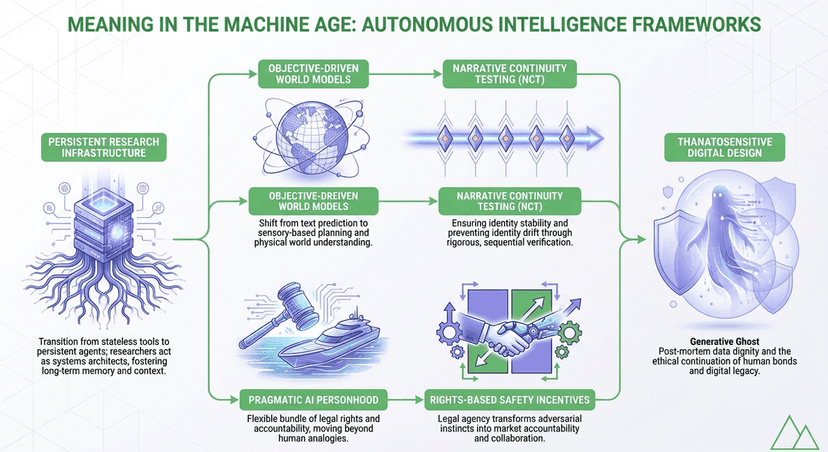
Explore how autonomous intelligence and world models are redefining sensory science, ensuring machine intelligence deepens human understanding through scientific validation.

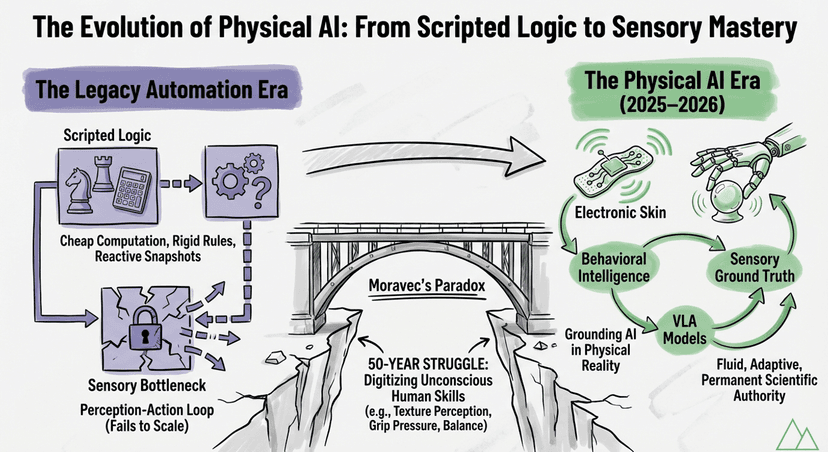
Explore the 2025-2026 inflection in Embodied AI. A deep dive into VLA models, high density tactile sensing, and the future of robotic sensory validation.

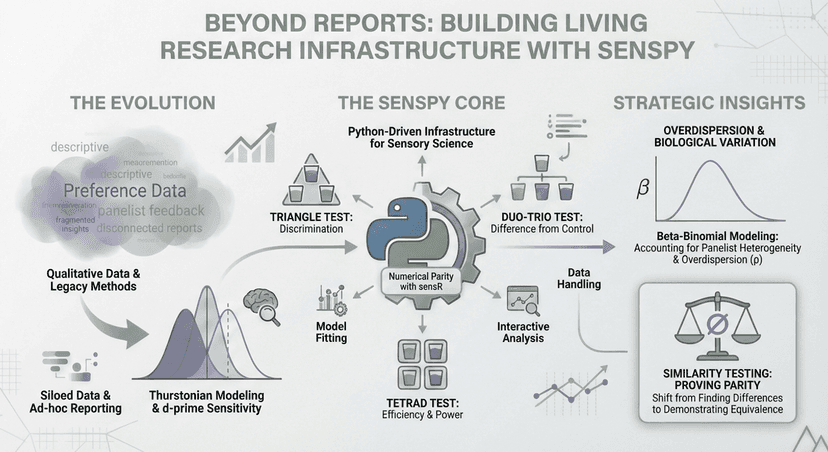
Explore sensPy, a Python port of sensR for Thurstonian modeling. Perform d-prime estimation, similarity testing, and beta-binomial analysis in sensory science.

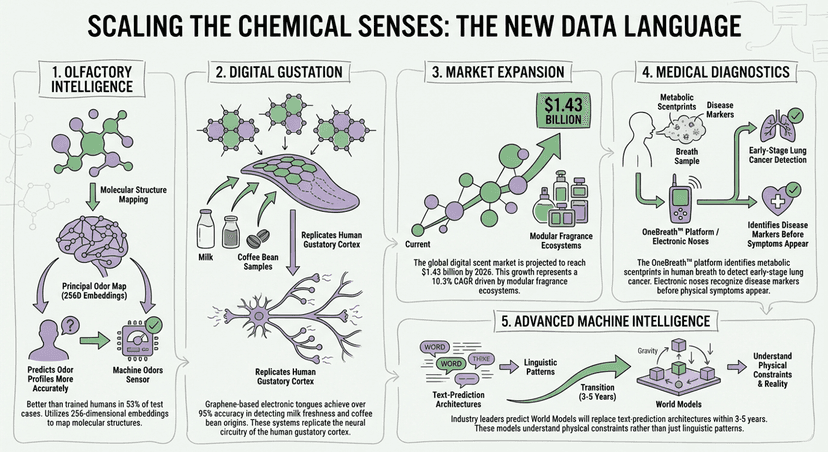
Transition from reactive data toward strategic sensory infrastructure. Explore how digitizing scent and taste via AI World Models ensures scientific rigor and sensory authenticity in consumer insights.

OpenAI's GPT-5.3-Codex and Anthropic's Claude Opus 4.6 launched simultaneously on Feb 5, 2026—explore their key features, benchmarks, self-building AI, 1M-token context, and why these agentic breakthroughs matter for coding and knowledge work.

Explore how the integration of AI, biometrics, and extended reality is transforming traditional sensory evaluation into objective, living research systems that map the human experience with unprecedented rigor.

A comparative study of traditional preference mapping vs. machine learning for sensory science, guiding CPG product development with advanced consumer insights.

Learn how a new study uses NFTs to transform consumer whisky preferences into personalized digital artwork, creating an immutable record of taste for CPG brands.

Learn about the Degree of satisfaction-difference (DOSD) method, a sensory science technique using signal detection theory for accurate consumer acceptance testing.

A comprehensive guide to data science for sensory and consumer scientists, covering data manipulation, machine learning, and automated reporting. A key resource.