
Enterprise research
Plain-language access to structured research data
We designed a natural-language layer that turns research questions into SQL, lets users refine the active dataset in follow-up dialogue, and exports the current result set for later analysis.

Evidence at a glance
- Evidence type
- System design
- Organization scope
- A major CPG company
- Documented boundary and output
- This case covers the design phase: the query layer, the refinement workflow, and the export path.
The situation
Routine research retrieval needed specialist help because the live data layer was only open through dashboards and custom queries.
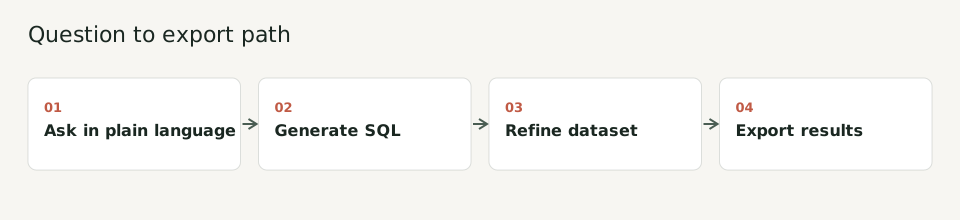
The scoped design centers on three technical moves: translate a research question into SQL, keep a working dataset that follow-up dialogue can reshape, and hand the active result set to spreadsheet tools without another specialist ticket.
The approach
Translate questions into SQL
A natural-language layer converts a research question into a structured database query.
Refine the working dataset
Follow-up dialogue narrows or reshapes the active dataset without a new specialist request.
Export the current context
The selected result set moves into spreadsheet tools for the next analysis or report step.
System or method for this case
What we delivered
- Natural-language to SQL query layer
- Conversational dataset refinement workflow
- Active result-set export path
- Optional governed knowledge layer over structured and unstructured sources
Technical pieces
Question understanding, SQL generation against the research store, Working-set refinement state, Export bridge to analysis tools
What the design supports
The designed path turns a research question into SQL, keeps a working dataset that follow-up dialogue can reshape, and exports the active result set without another specialist ticket.
Discuss a comparable system
Bring the research question, data boundary, and decision the system needs to support.