
Enterprise research
Consumer-study design checked before fielding
We used the client knowledge base and research-informed simulation to check sample size, product coverage, and questionnaire design before the study went to field.

Evidence at a glance
- Evidence type
- Delivered method
- Organization scope
- A major CPG company
- Documented boundary and output
- This case covers the pre-field design package: knowledge synthesis, simulation, and the locked analysis plan. Field results and client identity stay confidential.
The situation
A costly consumer study still needed sample size, product set, and questionnaire choices settled before field spend.
The design package had to settle respondent screening, sample size, product-set composition, questionnaire content, and the post-field analysis plan. Simulation used the client knowledge base plus relevant external research before any field dollars moved.
The approach
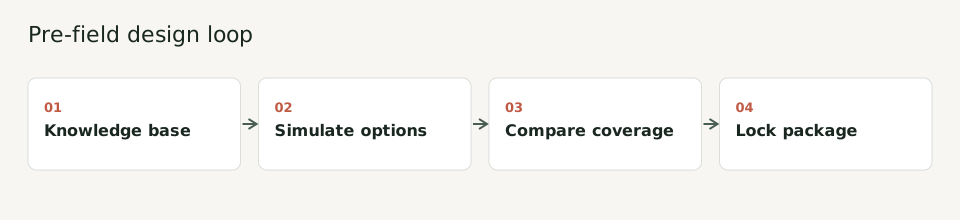
Build the design base
Internal reports, prior data, and relevant external research feed one queryable base for the design team.
Compare coverage options
Simulations compare product sets, respondent counts, and segment recovery before anyone books field work.
Lock the field package
The team receives the questionnaire, balanced rotations, and analysis plan they will run after data collection.
System or method for this case
What we delivered
- Stakeholder alignment record for study goals and must-include products
- Knowledge base of internal reports and relevant external research
- Simulation-informed sample size and product-set recommendations
- Questionnaire and balanced rotations ready for fielding
- Locked analysis plan for post-field work
Technical pieces
Knowledge exploration over internal and external sources, Research-informed category appraisal simulation, Coverage and power comparisons across design options, Field package assembly
What changed
Sample size, product coverage, and questionnaire choices were settled in a locked field package before any field spend moved.
Discuss a comparable system
Bring the research question, data boundary, and decision the system needs to support.